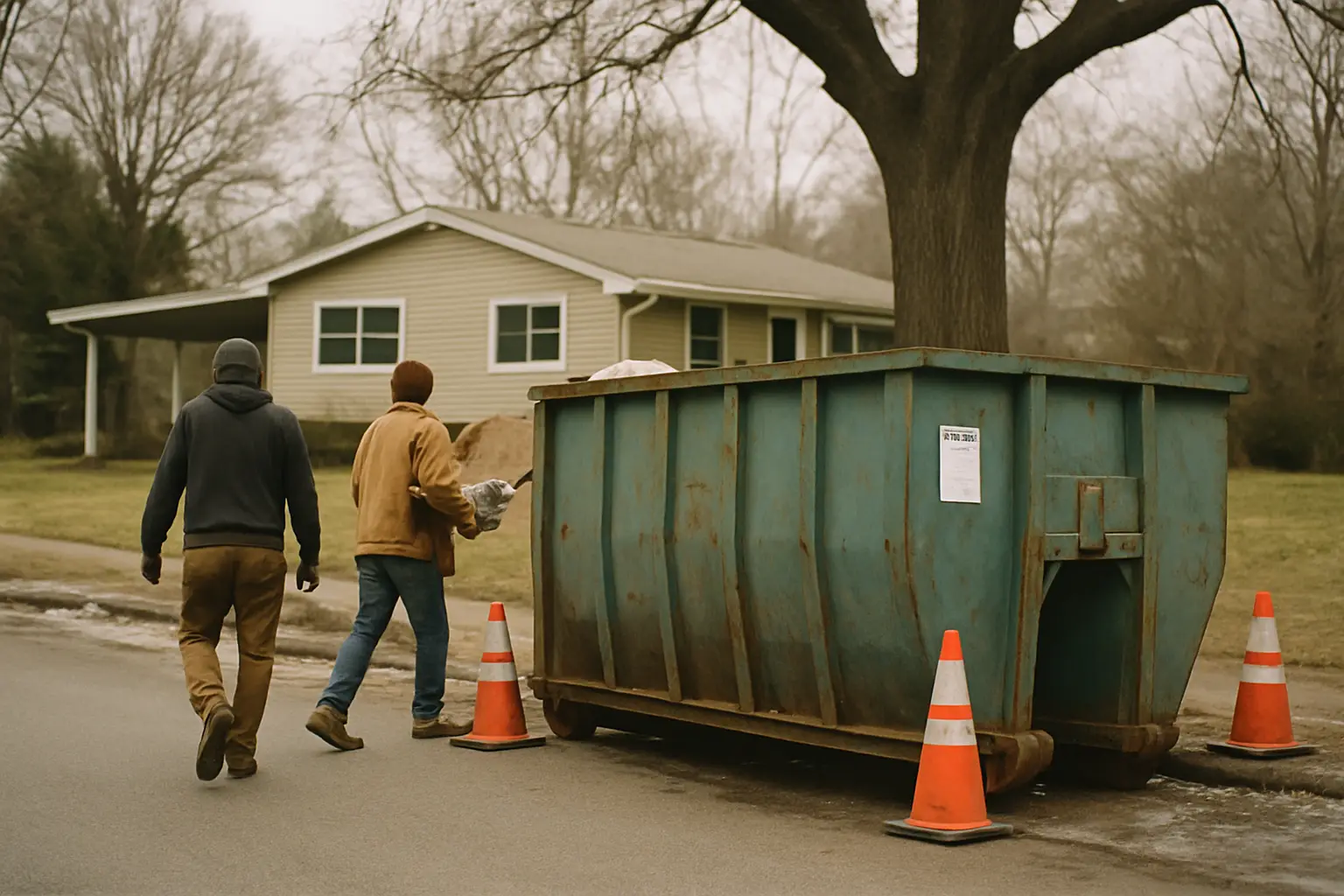
- 5165 + containers delivered
- Serving Baltimore City
Removal options
Baltimore junk removal for difficult household jobs
Aurora Dumpster Rental handles the loading and disposal coordination for common Baltimore cleanout work. Describe the material, its location, and the route out so the crew can plan the labor honestly.
Household Junk Removal
Clear unwanted boxes, broken household goods, loose clutter, and basement contents from Baltimore rowhomes, apartments, or detached houses while accounting for stairs and shared access.
Home cleanoutsFurniture Removal
Remove sofas, beds, dressers, tables, and oversized pieces from Baltimore homes where narrow halls, basement steps, elevators, or alley access can make carrying the item slow.
Large item haulingAppliance Removal
Coordinate removal of refrigerators, washers, dryers, and other appliances in Baltimore, with attention to door clearance, utility disconnection, flooring protection, and safe lifting.
Appliance haulingRenovation Debris Removal
Load Baltimore remodeling debris such as cabinets, drywall, flooring, and broken fixtures from rowhouse renovations or detached-home projects, while separating materials that require special handling.
Remodel cleanupYard Waste Removal
Gather branches, storm debris, brush, and ordinary yard waste from Baltimore lots, alleys, and rear yards where wet ground or limited driveway access affects loading.
Outdoor debrisEstate Cleanouts
Work through Baltimore estate cleanouts with a clear room-by-room scope, separating household items, furniture, appliances, and debris before anything is loaded or taken away.
Property transitions
Baltimore conditions
Baltimore access changes how junk gets removed
Baltimore housing often puts the work between the front door and the street. Rowhouses may have narrow stairways, shared alleys, rear entrances, basement steps, and very little curb space. Older blocks can also make parking and staging unpredictable, while detached homes farther north and west may have longer walks from the driveway to the rear of the property. Aurora Dumpster Rental reviews those details before loading household junk, furniture, appliances, or renovation debris. That keeps the crew from assuming a large item can travel through a hallway, gate, or stairwell that was never measured.
Weather adds another planning issue. Baltimore rain can make basement steps, grass, and unpaved side yards slick, while summer heat affects how long heavy lifting can safely continue outside. Winter freeze and thaw can leave uneven ground around older foundations and alleys. The removal plan accounts for where items sit, which route is safest, and whether the material is loose, boxed, dismantled, or too heavy for a single person. If a public curb or street must be used, tell us where the property is located so any local permission issue can be discussed before loading.
The city’s mix of rowhouse blocks, apartment buildings, older industrial corridors, and detached neighborhoods creates different disposal problems. A tenant move-out near downtown may involve furniture carried down several flights, while a Baltimore County edge property may have garage contents, branches, and renovation scraps spread across a larger lot. Aurora Dumpster Rental has delivered more than 5165 + containers delivered and brings that same access-first thinking to junk removal. The crew can sort the scope with you, identify restricted materials, and explain when a different service is more practical.
Choose the fit
Junk removal is not always the cheapest answer
The best service depends on whether you need labor, a place to load material yourself, or both. These are the usual dividing lines in Baltimore.
| Your situation | Usually better | Why |
|---|---|---|
| A few bulky items inside a rowhouse | Junk Removal | The crew supplies the labor and manages stairs, hallways, and tight Baltimore access. |
| A full kitchen renovation with ongoing debris | Dumpster Rental | A project container may cost less when Baltimore contractors can load debris themselves. |
| Garage contents mixed with unwanted furniture | Junk Removal | Loading, sorting, and carrying are useful when Baltimore garage items are spread across rooms. |
| Yard cleanup with uncertain material types | Either | The choice depends on volume, loading ability, access, and Baltimore disposal requirements. |
Before loading
Prepare your Baltimore property for removal
- Gather Baltimore household junk into accessible rooms without blocking stairways, exits, hallways, or shared building entrances.
- Disconnect Baltimore appliances from utilities before removal, and keep manuals or parts you intend to save aside.
- Mark furniture staying at the Baltimore property so the crew does not mistake it for removal material.
- Tell us about Baltimore alley access, elevator rules, parking limits, basement steps, and narrow doorways before scheduling.
- Keep Baltimore yard waste separate from chemicals, paint, batteries, and other materials requiring special disposal guidance.
Route planning
Baltimore homes can turn a short carry into hard work
Moving unwanted items out of Baltimore homes is often slower than the volume suggests. Rowhouses may require furniture to travel through narrow rooms, steep staircases, and rear alleys before reaching the truck. In apartment buildings, elevators, loading areas, and property rules can control the route. Older houses may have low basement ceilings, tight doorways, or flooring that should not take a heavy appliance without protection. Outside the city’s denser blocks, a long path from a detached garage or rear yard can add just as much labor. The first useful detail is not only what needs removal. It is where each item sits and which exit can actually handle it.
Aurora Dumpster Rental plans the route from the item back to the vehicle. The crew considers door width, stair turns, elevator access, alley clearance, curb conditions, and whether Baltimore weather has made the ground soft or slippery. Large furniture may need partial disassembly, while appliances require utility disconnection before loading. Loose renovation debris should be gathered rather than left scattered across rooms. If the property borders a public street, explain the intended staging area before the appointment so access questions can be addressed early. Scheduled delivery windows with placement confirmation before drop-off are also part of how Aurora manages related site work, and the same attention to confirmed access helps prevent avoidable delays here.
Common questions
Answers about junk removal in Baltimore
How much does junk removal cost in Baltimore?
Baltimore junk removal cost depends on the material, total volume, labor, access, and disposal requirements. A sofa carried from a street-level room is different from a basement full of mixed debris in a rowhouse. Share the item list, property type, stairs, elevator details, alley conditions, and intended staging area so Aurora Dumpster Rental can explain what affects the work. Have photos or a room-by-room description ready when you call.
Can you remove furniture from a Baltimore rowhouse?
Yes, Aurora Dumpster Rental can remove furniture from Baltimore rowhouses when the item and route can be handled safely. The crew needs to know about narrow hallways, stair turns, basement steps, rear doors, shared alleys, and any building restrictions. Some pieces need disassembly before they can pass through older homes. Clear loose objects from the route and identify the furniture that is leaving before the crew arrives.
Do you remove appliances from Baltimore homes?
Appliance removal in Baltimore can include refrigerators, washers, dryers, and similar large household units after required utility connections are disconnected. Access matters because older rowhomes, basement stairs, tight kitchens, and uneven rear paths can change the labor and equipment plan. Aurora Dumpster Rental needs the appliance type, location, route, and condition beforehand. Arrange professional disconnection where needed and keep pets and children away from the work path.
Can junk removal handle renovation debris in Baltimore?
Yes, Baltimore renovation debris can often be removed when the material is identified before loading. Common examples include cabinets, flooring, drywall, fixtures, and ordinary construction scraps, but chemicals, wet materials, pressurized items, and certain electronics may require separate guidance. Rowhouse renovations often involve stairs and narrow alleys, so describe the debris location and route. Keep debris consolidated and separate questionable materials before the crew begins.
Do I need permission to stage junk on a Baltimore street?
A Baltimore property may need permission before items or a vehicle occupy public street space, depending on the location and circumstances. Private driveways, rear alleys, apartment loading areas, and curb lanes can have different access conditions. Tell Aurora Dumpster Rental exactly where the material and vehicle must sit so the applicable concern can be discussed before scheduling. Check building rules and keep a private staging area clear when possible.
Related site work
Other services available around Baltimore
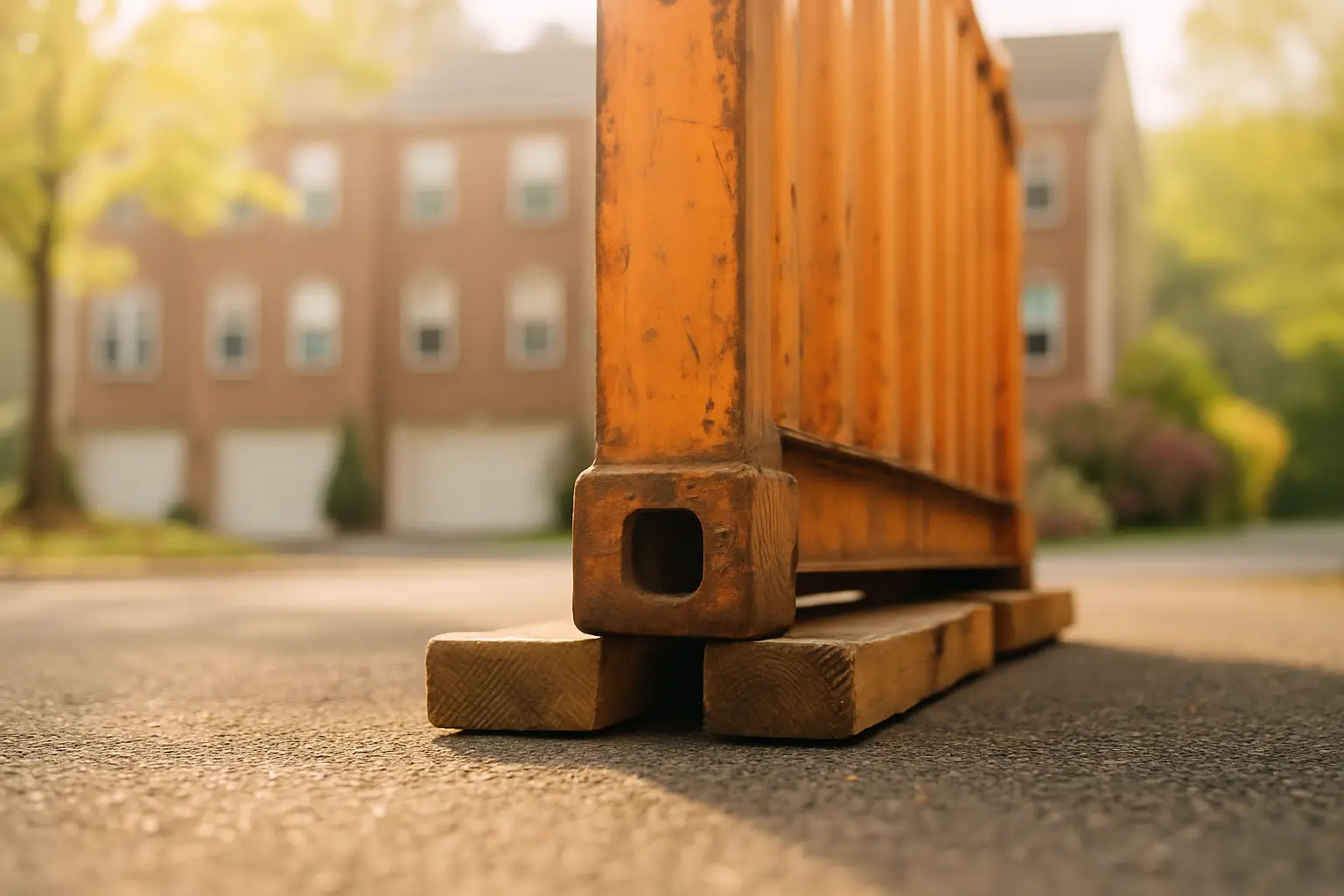
Dumpster Rental in Baltimore
Baltimore renovation and roofing projects may be better served by a rented dumpster when contractors can load debris themselves over several days.

Porta Potty Rental in Baltimore
Baltimore construction sites, festivals, and outdoor gatherings may need portable sanitation placed where guests and workers can reach it safely.
Describe the Baltimore removal job clearly
Have the material list, property type, access route, stairs, appliances, and preferred staging area ready when you call Aurora Dumpster Rental. The more specific the details, the more honestly the crew can plan the work.
Click Here to Call(443) 581-2153Local coverage
Junk removal across Baltimore neighborhoods
Aurora Dumpster Rental works with Baltimore properties across dense rowhouse blocks, residential streets, commercial corridors, and changing redevelopment areas. Access details matter from one block to the next, especially around shared alleys, apartment loading zones, narrow lots, and older homes. Describe the neighborhood, property type, material, and route so the removal plan fits the site rather than relying on a generic assumption.