Open 24/7, Monday to Sunday | Serving Baltimore since 2019(443) 581-2153
Aurora Dumpster RentalDumpster Rental Baltimore, MD
Dumpster Rental Baltimore, MD

Local container service

Dumpster Rental Baltimore, MD

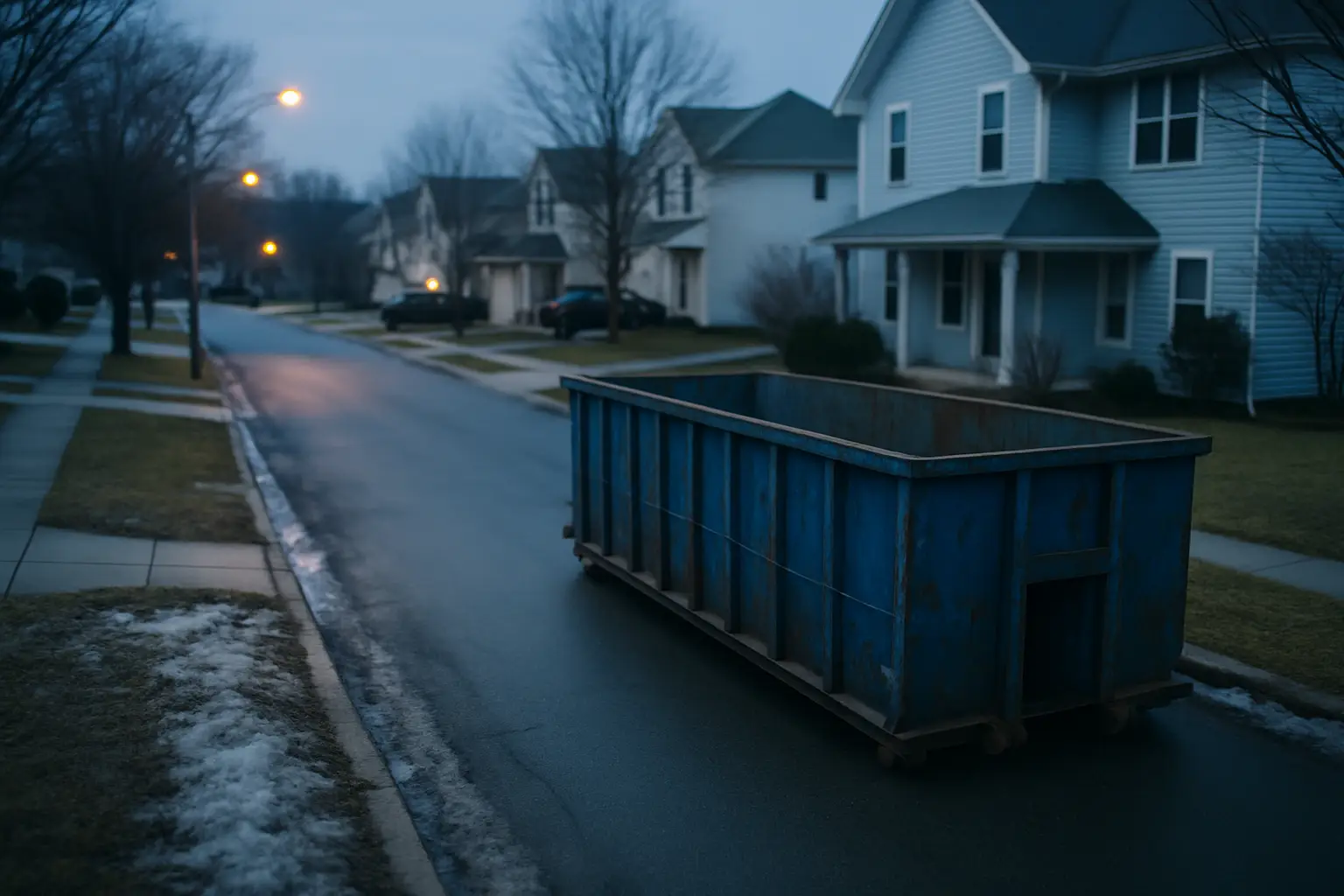
Aurora Dumpster Rental confirms the drop location before dispatch, with scheduled delivery windows documented for your project.

Dumpster Rental Baltimore, MD gives homeowners, contractors, landlords, and businesses a practical way to control job debris. Aurora Dumpster Rental helps choose the container size, checks the placement details, and coordinates delivery around the access your Baltimore property actually provides. Service is available 24/7, Monday to Sunday.

  • Licensed, bonded and insured
  • Serving since 2019
  • 5165 containers delivered

Baltimore operations

A container plan built around your property

Aurora Dumpster Rental serves Baltimore City properties where placement is rarely a simple matter of pulling into an open lot. Rowhouse alleys, narrow driveways, curbside parking, sloped approaches, mature trees, and overhead wires can all affect the delivery plan. The useful conversation happens before the truck arrives. We discuss the material, the estimated volume, the surface, the access route, and the location you have in mind. That helps prevent a container from blocking a neighbor, scraping a wall, sitting across a drain, or arriving too large for the approach. If a smaller container handles the work, we will say so instead of selling unused capacity.

Aurora Dumpster Rental is licensed, bonded and insured, and has served the area since 2019. We provide dumpsters for household cleanouts, renovations, roofing work, moving projects, commercial construction, and yard debris. A scheduled delivery window is paired with placement confirmation before drop-off, so the driver has useful instructions rather than a vague address. Baltimore jobs can change quickly, especially during a renovation or property turnover, so the team is available 24/7, Monday to Sunday. Have the address, material list, preferred placement, and access concerns ready when you speak with the dispatch team.

  • Open 24/7, Monday to Sunday
  • Serving Baltimore City

Baltimore placement

Where a dumpster can safely sit in Baltimore

In Baltimore, the easiest placement is usually a stable private driveway with enough straight approach for the truck, but many properties do not have that option. Rowhouses may rely on alleys, shared rear access, or a curbside location. Older sidewalks, narrow streets, parked cars, fire access, stoops, utility poles, and overhead wires all matter. A container should not block a building entrance, alley movement, drainage path, or sightline. Public street placement usually needs local permission first, and the exact requirement depends on the location. Tell dispatch whether the surface is concrete, asphalt, brick, gravel, or soil. Wet ground and freeze-thaw conditions can make a yard less reliable than it looked during a dry inspection.

The truck needs a usable approach, not just an open destination. Clear low branches, move vehicles, unlock gates, and identify anything that narrows the route. A steep grade, sharp turn, retaining wall, or soft shoulder may prevent the driver from reaching the preferred spot. Baltimore blocks can also become difficult when curb parking leaves little room to maneuver. Placement confirmation before drop-off lets the team discuss an alternate position before equipment is moving. If the container must sit on a public street, describe the exact block and nearby restrictions during the call. Have the address, surface type, access width, overhead clearance, and a backup placement ready.

keyPoints of no such key?

Baltimore materials

How Baltimore homes change size and weight choices

Baltimore housing stock changes the debris calculation. Rowhouses and older detached homes often produce dense renovation material from plaster, lath, brick, tile, hardwood, cabinets, and masonry repairs. Those loads become heavy before they fill a large container. Newer apartments, mixed-use buildings, and suburban properties may generate more packaging, drywall, flooring, and household contents, which take space differently. A basement cleanout also behaves differently from a kitchen renovation because furniture is bulky while tile and plaster are dense. Describe the building type, rooms involved, and material mix rather than choosing a size from square footage alone.

The weather adds another practical concern. Wet springs, summer storms, and freeze-thaw cycles can make yard debris heavier and soft ground less dependable. Roofing work should be estimated by tear-off layers and roof area, not by how much the shingles look like in a pile. Concrete, soil, brick, and asphalt need specific discussion because a container can reach its safe weight before its walls appear full. Load evenly, keep material below the rim, and separate anything restricted. If the project changes from light household contents to demolition debris, update dispatch before adding the heavier material.

keyPoints of no such key?

Project containers

Baltimore dumpsters for ordinary and difficult cleanups

Different debris loads create different handling problems. These service options cover common Baltimore projects while leaving room to discuss access, weight, and the container size that actually fits.

  • Household Cleanout Dumpsters

    Use a household cleanout container for accumulated belongings, damaged furniture, boxes, and general property contents. It works well for move-outs, landlord turnovers, and clearing a home before listing. Separate paint, chemicals, appliances, and other restricted materials before loading so the crew can confirm what belongs in the container.

    Home cleanouts
  • Garage and Basement Dumpsters

    Garages and basements often hold dense, awkward material rather than loose light debris. A container can handle shelving, broken furniture, storage bins, and renovation leftovers when loaded evenly. Measure the route from the access point to the work area, especially at Baltimore rowhouses where stairs, alleys, and tight doors complicate moving material.

    Tight-space projects
  • Yard Waste Dumpsters

    Branches, brush, storm cleanup, soil, and other yard debris need a more careful size and weight discussion. Wet material becomes heavy quickly, and Baltimore properties may have limited space beside sidewalks or parked cars. Keep prohibited material out and describe the debris before delivery so the container suits the load.

    Outdoor debris
  • Moving and Downsizing Dumpsters

    Moving and downsizing often produce a mix of cartons, household goods, shelving, mattresses, and damaged items. Start with a realistic room count and identify dense pieces that will consume space. For a Baltimore apartment or rowhouse, plan where material will be staged without narrowing a shared passage or blocking building access.

    Move-out debris
  • Renovation Debris Dumpsters

    Renovation debris may include drywall, flooring, cabinets, tile, fixtures, and packaging. Dense materials can reach a safe weight limit before the container looks full, so volume alone is not enough. Tell us whether the project is a bathroom, kitchen, basement, or whole floor so the size recommendation reflects the actual mix.

    Remodel material
  • Roofing Dumpsters

    Roofing jobs generate shingles, underlayment, flashing, and sometimes damaged decking. Shingles are heavy and should not be estimated like household trash. A roofer or property owner should explain the roof area, tear-off layers, loading method, and driveway conditions. Protect soft asphalt and keep the truck path clear of branches.

    Roof replacement
  • Same-Day Dumpster Delivery

    Same-day delivery may be possible when equipment and route conditions allow, but it should never be treated as an automatic promise. Baltimore traffic, placement restrictions, and the type of debris still need review. Provide the exact address, desired location, and project status so dispatch can give a useful answer rather than guess.

    Urgent scheduling
  • Estate Cleanout Dumpsters

    Estate cleanouts require sorting before loading because documents, family items, donations, and disposal material often get mixed together. A container helps once the keep and remove decisions are made. Older Baltimore homes may have narrow stairs and limited curb space, so plan staging and access before the first room is emptied.

    Property transitions
  • Commercial Dumpster Service

    Commercial work needs a container plan that accounts for employees, deliveries, customers, loading zones, and the material generated each day. Renovations in downtown buildings, neighborhood storefronts, and larger facilities can have very different access rules. Explain the site schedule and surface conditions so placement does not interfere with operations.

    Business projects

How scheduling works

A clear plan prevents delivery problems

  1. Describe the project

    Start with the address, project type, debris materials, estimated volume, and preferred delivery date. Mention roofing, soil, concrete, appliances, or other dense items early. Those details affect the recommendation more than a rough guess based only on the number of rooms.

  2. Review the access

    Dispatch needs to know where the container should sit and how the truck will approach. Discuss driveway width, alley access, overhead branches, wires, gates, slopes, soft ground, and nearby vehicles. A photograph or careful description can clarify conditions before equipment is assigned.

  3. Confirm the placement

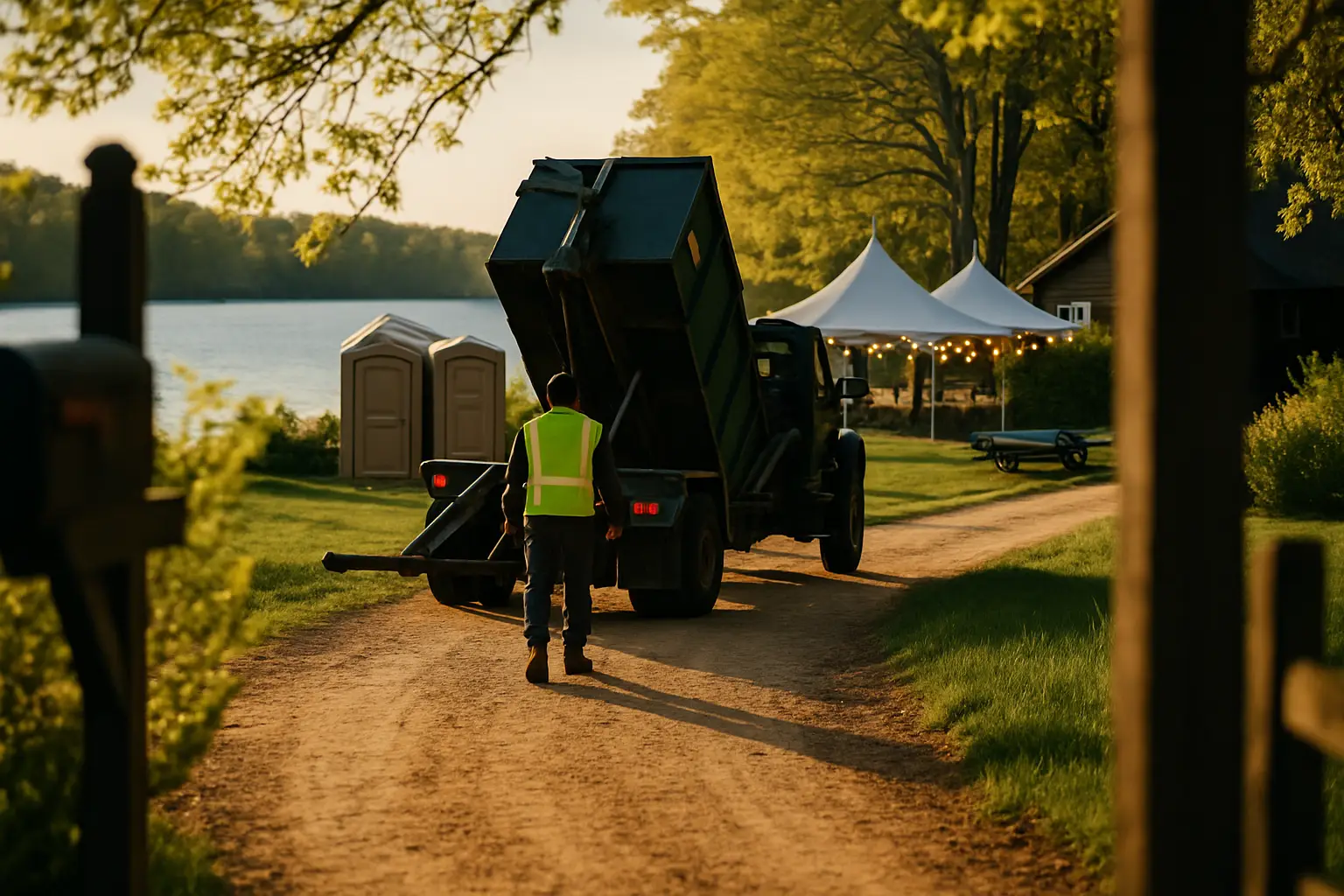
    Aurora Dumpster Rental confirms the proposed placement before drop-off and pairs it with a scheduled delivery window. The goal is a usable position that does not interfere with doors, drainage, traffic, or neighbors. Public curb placement may require local permission, so explain the location before committing to it.

  4. Prepare the site

    Clear vehicles, toys, loose tools, low branches, and other obstacles from the truck path. Protect access points and tell affected neighbors or building occupants where the container will sit. Do not load prohibited materials, and keep the area accessible throughout the scheduled rental.

  5. Load with control

    Distribute material evenly instead of building a mound above the rim. Keep dense debris balanced and avoid placing heavy loads against one side. When the project is finished, the container can be coordinated for removal or exchanged according to the arrangement discussed with dispatch.

Related work

Choose another service when the job calls for it

Why Baltimore customers plan ahead

The useful details are checked before arrival

  1. Placement gets treated as a real constraint

    A Baltimore address can mean a rowhouse alley, a shared driveway, a narrow side yard, or a curb beside active traffic. Aurora Dumpster Rental discusses the intended spot and truck approach before dispatch. That conversation helps identify overhead clearance, soft ground, blocked doors, and public-space concerns before a driver is committed to an unsuitable position.

  2. Size follows material, not sales pressure

    A container that is too small creates extra handling and may require another delivery. A container that is too large wastes space and may not fit the property. The practical recommendation considers the debris type, density, loading method, access, and project stage. If a smaller option is enough, that is the better choice for the customer.

  3. Dispatch details stay connected to the job

    Scheduled delivery windows and placement confirmation before drop-off give the driver useful information about the site. That matters when a contractor is coordinating labor, a landlord is clearing a unit, or a homeowner has only a narrow work area. The service is available 24/7, Monday to Sunday, without pretending that traffic or site conditions can be predicted perfectly.

Service standards

What responsible container service includes

  • Every recommendation starts with the debris type, access conditions, and intended placement.
  • Drivers need a clear approach free from vehicles, branches, gates, and loose obstacles.
  • Dense materials require a weight discussion even when the container still has open space.
  • Customers should keep prohibited materials separate until dispatch confirms how they may be handled.
  • Placement on a public street may require local permission before the container arrives.
  • Loading should stay level with the rim and remain distributed across the container floor.
  • Weather can soften soil and change whether a driveway or yard remains suitable.
  • Aurora Dumpster Rental documents placement plans before dispatch so site instructions stay clear.

Dumpster questions

Answers before you schedule a container

How much does dumpster rental cost in Baltimore?

Dumpster rental cost depends on the container size, rental duration, delivery access, debris type, weight, and placement requirements. Dense roofing, masonry, soil, and wet yard debris can affect the recommendation more than loose household contents. Baltimore curb placement may involve extra coordination. Have the address, project materials, preferred size, and placement ready so the estimate reflects the actual job.

What dumpster size do I need for a Baltimore renovation?

The right size depends on the rooms being changed and the material being removed. A small bathroom update may fit a 10-Yard container, while a whole-floor remodel, roofing project, or major cleanout may need more capacity. Drywall, cabinets, tile, plaster, and masonry weigh differently. Describe the rooms, debris, access, and loading method before choosing.

Can a dumpster go in my Baltimore driveway?

A dumpster can often sit in a Baltimore driveway when the surface, width, approach, and overhead clearance can support delivery. The driver also needs room to position equipment without striking walls, trees, vehicles, or gates. Soft ground and steep approaches may change the answer. Clear the route and provide a backup location before the scheduled delivery.

Can I put a dumpster on a Baltimore street?

A dumpster may be placed on a Baltimore street only when the location and applicable local permissions allow it. Parking, traffic, fire access, drainage, and sidewalk clearance all matter. Requirements can vary by block and property situation. Tell dispatch the exact curb location, nearby restrictions, and intended dates before treating street placement as confirmed.

What materials are not allowed in a dumpster?

Restricted materials commonly include hazardous chemicals, liquids, certain electronics, batteries, fuels, medical waste, and other items that require separate handling. Rules can vary by material and disposal route, so do not assume an item is acceptable because it is household waste. Make a list of questionable materials and discuss it before loading, especially after an older-home renovation.

How quickly can a dumpster be delivered in Baltimore?

Delivery timing depends on equipment availability, route conditions, placement review, and the requested container size. Same-day delivery may be possible, but it is not automatic and should be confirmed for the specific address. Baltimore traffic, alley access, and curb restrictions can affect scheduling. Share the preferred date, location, project stage, and access details as early as possible.

How should I prepare my driveway for a dumpster?

Prepare the driveway by removing vehicles, branches, toys, tools, and other obstacles from the truck path and the proposed container area. Check for low wires, gates, slopes, soft edges, and drainage concerns. Baltimore weather can soften adjacent ground even when pavement looks firm. Tell household members where the container will sit and keep the approach clear.

How long can I keep a dumpster?

The rental period depends on the project schedule and the arrangement made before delivery. Tell dispatch whether the work is a short cleanout, a staged renovation, a move, or a commercial job with changing debris. Baltimore weather and inspection delays can extend a project. Discuss the expected finish, pickup coordination, and any need for an exchange before loading begins.

Plan the delivery

Bring the site details to the conversation

Aurora Dumpster Rental can help sort out the container size, material concerns, access route, and placement plan for your Baltimore project. Service is available 24/7, Monday to Sunday. The more specific the site description, the less likely the delivery plan is to change after equipment is assigned.

Phone

(443) 581-2153

The conversation covers your project materials, container size, placement, access, scheduling, and preparation requirements.

Availability

24/7
Monday to Sunday, day and night

Have this ready

  • Baltimore property address
  • Debris and project type
  • Preferred placement area
  • Requested delivery timing

Where we work

Baltimore, plus Bel Air, Annapolis, Aberdeen, Laurel, Sykesville, Glenarden, Bowie, Westminster, Havre de Grace and Greenbelt.

See the full service area list

Get the container plan before work starts

Describe the debris, access, and placement you have in mind. Aurora Dumpster Rental will help you choose a workable size and coordinate the next step around the conditions at your Baltimore property.

Click Here to Call(443) 581-2153

Baltimore service area

Dumpster service across Baltimore City

Aurora Dumpster Rental focuses this page on Baltimore City and also coordinates service in nearby communities, including Bel Air, Annapolis, Aberdeen, Laurel, Sykesville, Glenarden, Bowie, Westminster, Havre de Grace, and Greenbelt. Availability and placement details depend on the exact address, material, route, and equipment required. Share the property location so dispatch can confirm what applies.

CantonFederal HillHampdenMount VernonPatterson ParkCharles VillageLocust Point

Dumpster Rental in nearby towns

Click Here to Call(443) 581-2153